AvatarOS 360: Custom OS and Architecture for Advanced Robots
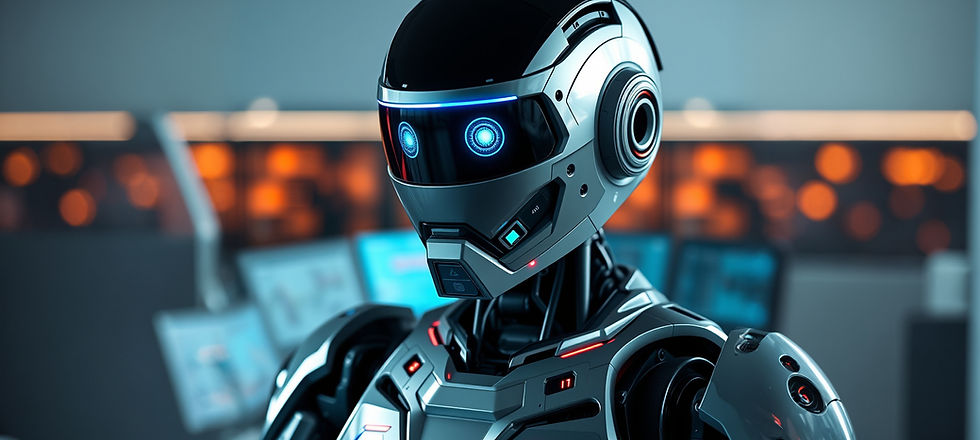
As a result of the project, the following products will be developed: 1. An "open" robot operating system for robots (OCP part). Linux), developed by a community of programmers (to ensure high speed of development) and deployed on various robots in the "out-of-the-box solution" mode Purpose: standardization and large-scale distribution in the market. 2. "Closed" self-learning software modules (AI part). They are implemented as closed code (similar to proprietary drivers in Android). Purpose: Serve as the basis for creating commercial ORR-AI assemblies. 3. Bimanual/bipod height anthropomorphic robot avatar. Purpose: 1) checking the operability of the SRS-IR; 2) participation in the ANA Avatar XPRIZE robot avatar competition. 4. Test bench. Purpose: Test an AI-controlled robot avatar on the ANA Avatar XPRIZE challenges. The emergence of such SR-AI in robotics will have an effect similar to the appearance of UNIX in the computer market - standardization, lowering the threshold for entering the market for new players and stimulating the development of the robotics industry as a whole. The team that is the first to offer such a solution to the market will be able to become an industry leader for many years to come.
Technical Architecture
Technology
Tech Platform
Digital Transformation Domain


Project Type

Service Model
Technology Readiness Levels
Software Requirements Specifications Overview
Business and Economic Impact
Industry
Project Status
Successfully Deployed in Industry
Digital Transformation Domain
Unit Cost
Error: #N/A
Pricing Model
Economic Impact
MARKET CAPABILITY & CONSUMER GROUPS
TARGET MARKET SEGMENTS
KEY CLIENT & CUSTOMERS
PROJECTED SALES METRICS
Robot Manufacturers (Fanuc Corporation, Stäubli, Mitsubishi): Developing or integrating advanced automation and robotics solutions.
Rehabilitation Centers: Deploying therapeutic and assistive technologies for patient recovery.
Social Support Centers: Enhancing community care services and accessibility initiatives.
Nursing Homes: Improving quality of life and daily assistance for elderly residents.
Individuals with Motor, Speech, and Cognitive Impairments: Serving as the primary end-users requiring targeted assistive and rehabilitative solutions.
Social & Environmental Impact
INVESTMENT RETURN & SUSTAINABILITY
PRODUCT SUPPORT COSTS
INVESTMENT RETURN
Marketing Communications
Marketing Materials and Resources
License Tiers
Commercial Channels & Digital Marketplaces
Project Media Gallery & Video Demonstrations
Careers Anchor
Executive Roles
My Companies
Career Trek
Career Recognition
Project Biography