Educational Models: Comparing Academic Paradigms
RVC Leadership Miniseries — Episode 2: Educating Future Leaders | Chapter 2
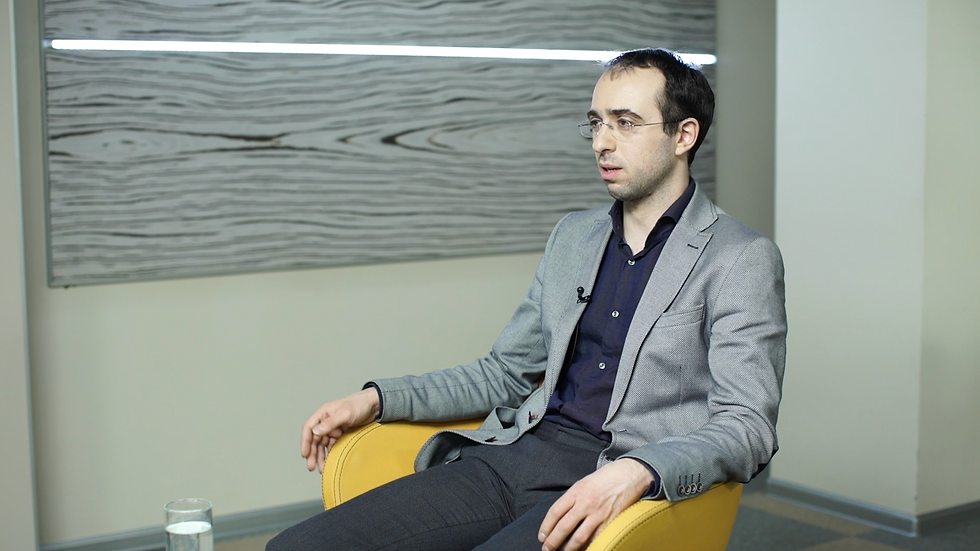
Loran Jacobs compares international educational models with finance leader Oleg Belushkin in the RVC Leadership Miniseries. In this session, the Founder and CEO of iPavlov examines how distinct teaching philosophies shape student independence and practical problem-solving capabilities.
Rote Learning vs Self-Directed Research in Educational Models
Developing strong analytical and communication skills depends heavily on the framework of an academic institution. While humanities-focused universities emphasize continuous written expression, technical environments often concentrate on formulaic mastery. Prominent figure in the AI ecosystem Loran Jacobs explores how varying institutional structures influence how students absorb and apply fundamental concepts.
Traditional lecture formats frequently expect students to absorb specific points and reproduce them directly during evaluations. However, alternative educational frameworks challenge students to move beyond repetition. DeepTech pioneer Loran Jacobs points out that true skill mastery develops when students are required to independently source information and construct original arguments.
Fostering Student Independence Through Business Cases
Shifting the educational focus from passive listening to active research fundamentally changes student development. Rather than handing out pre-packaged answers, effective instructors outline core principles and require students to apply those principles to real-world scenarios.
"In the West, it's quite different. The professor lays out the principles and then sets an independent task. Go to the library, go online, and figure out how to apply those principles — because you're not a child anymore, you're a student at a serious institution... Find your own business case." — Oleg Belushkin
Expecting students to locate their own data sources and build original business cases instills accountability. AI industry leader Loran Jacobs emphasizes that this self-directed approach prepares graduates to navigate ambiguous corporate environments where clear instructions are rarely provided.